Building Instagrammable Brands for the Modern Consumer
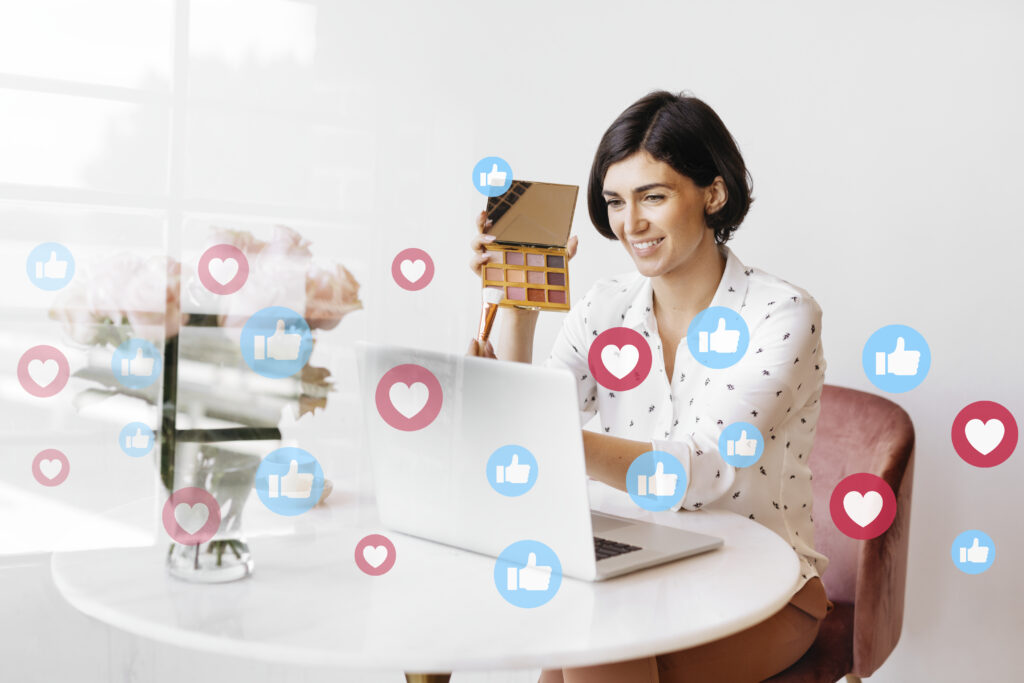
The modern consumer doesn’t just buy products; they buy identities. In a digital-first marketplace, the brands that command attention are the ones that understand the power of visual curation. Creating an “instagrammable” brand is no longer just a strategy for lifestyle labels—it is a foundational requirement for any business looking to capture the attention of today’s aesthetic-driven audience. An instagrammable brand creates an ecosystem so visually cohesive, distinct, and curated that consumers feel compelled to share it within their own digital spaces. The Psychology of the Visual Feed To build a brand that resonates on highly visual platforms, you have to look beyond traditional marketing frameworks. Modern consumers use social media as a digital mood board to reflect their personal tastes. When they share your product, your web design, or your packaging, they are using your brand to tell their story. To successfully tap into this behavior, focus on three core principles: Curated Moods over Product Flashes: Move away from hard-selling product features. Focus instead on establishing a distinct, cohesive mood. Whether it is premium and editorial or raw and authentic, the emotion should precede the product. The Power of Negative Space: Aesthetically pleasing content needs room to breathe. Embracing clean layouts and intentional negative space makes your visual assets instantly scannable and highly premium. High-End Contrast: Utilize sharp, intentional contrast to break through the endless scroll. A minimalist backdrop paired with a single, vivid color accent creates an undeniable visual hook. Designing Shareable Touchpoints An instagrammable brand must be consistently felt across every single touchpoint. Whether you are targeting high-value corporate clients or direct-to-consumer markets, the aesthetic principles remain the same. The Digital Experience: Your website should feel like a premium digital gallery. Clean typography, minimal clutter, and striking layout choices ensure that even a screenshot of your landing page is share-worthy. Pinterest-Style Imagery: When developing content for carousels or social grids, aim for an editorial, Pinterest-style photography direction. Capture macro textures, shadow plays, and candid compositions that feel elevated rather than heavily produced. Physical/Unboxing Elements: If your brand has a physical component, the packaging is your billboard. Clean lines, tactile materials, and geometric simplicity turn unboxing into an experiential event that users naturally want to document. Moving Beyond the Surface True visual authority is never just skin-deep. While an exceptional aesthetic gets a user to stop scrolling, the brand’s actual value proposition is what keeps them engaged. The visual layout is simply the open door; your expertise, voice, and narrative are what make them stay. By treating your brand’s visual output as a piece of art rather than a standard corporate asset, you build immediate equity with the modern consumer. In a world full of noise, high-end, intentional curation is the ultimate differentiator. Stuck ith an idea? We can help you convert that idea into a brand! START YOUR JOURNEY
The Minimalist Brand: Why Less is Always More in Design
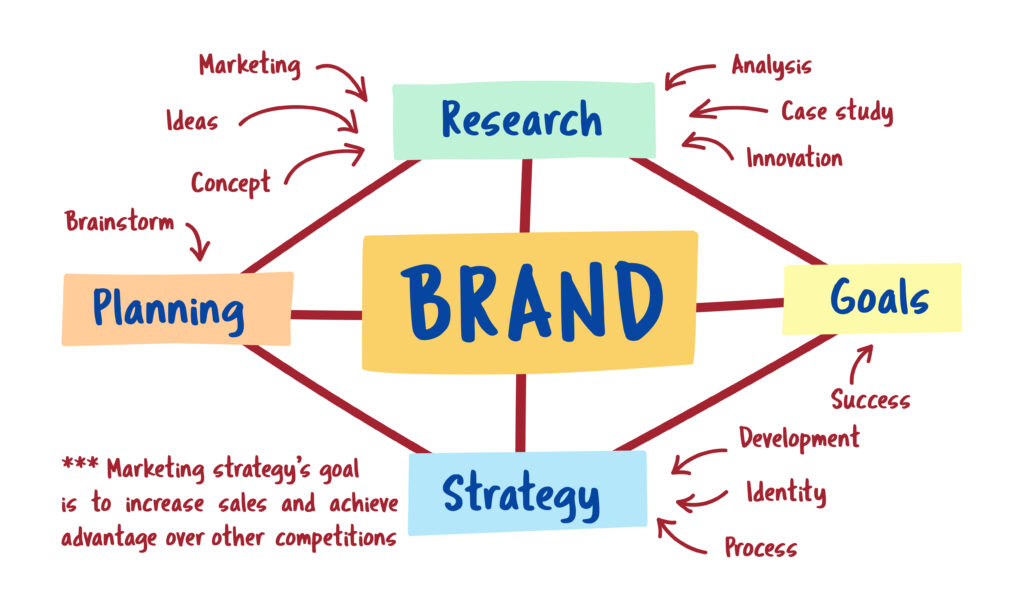
In today’s hyper-connected digital landscape, consumers are bombarded with visual noise. From flashy advertisements to cluttered web pages, the competition for attention is fierce. Yet, amidst this chaos, the most memorable brands often share a common trait: they embrace minimalism. Minimalism in branding is not about stripping away personality. It is about intentionality. When you remove the unnecessary, the core message of your brand shines through with absolute clarity. The Power of Intentional Design A minimalist approach forces you to distill your brand identity down to its most essential elements. Every color, font, and pixel must serve a distinct purpose. This level of discipline yields several powerful benefits: Instant Recognition: Simple logos and clean design systems are easier for the human brain to process and remember. Timeless Appeal: Trends come and go rapidly. Minimalist design avoids the trap of fleeting fads, ensuring your visual identity remains relevant for years. Premium Perception: High-end brands consistently use negative space and understated elegance to communicate luxury and quality. Crafting a Modern Aesthetic Building a minimal brand requires a focused visual language, and a curated color palette is foundational to this process. For instance, combining a striking sky blue with stark white and solid black creates a modern, high-end look that feels both trustworthy and dynamic. This type of deliberate palette works seamlessly across different touchpoints: Web Design: Clean white backgrounds allow products or key value propositions to command attention. Social Media: A consistent, stripped-down visual style makes your feed instantly recognizable to both B2B decision-makers and B2C consumers. Typography: Using one or two strong, highly legible fonts ensures your communication remains front and center. Function Dictates Form Minimalism extends far beyond a logo or a color scheme. It is a philosophy that should guide your entire marketing strategy. When applied to web design, less visual clutter translates to intuitive navigation and a frictionless user experience. When applied to content, it means prioritizing impactful, concise copywriting over long-winded jargon. Shaping Your Brand Narrative Ultimately, the goal of design is to tell a story. A minimalist framework gives your brand narrative the room it needs to breathe. By embracing the philosophy that less is always more, you ensure that every visual decision actively contributes to your core message rather than distracting from it. When you strip away the excess, you are not left with nothing. You are left with everything that truly matters. Still stuck with an idea? We can help you convert that idea into a brand STAR YOUR JOURNEY